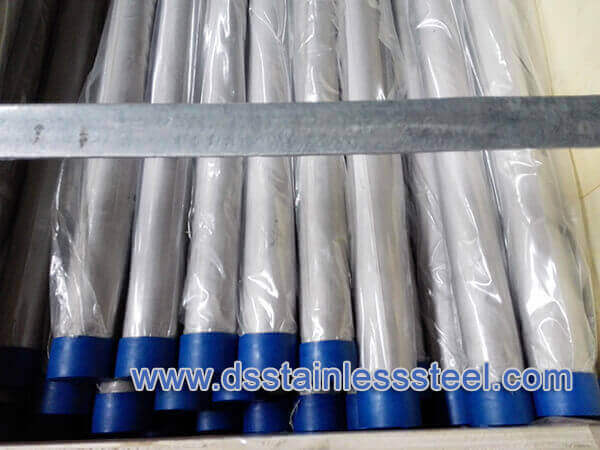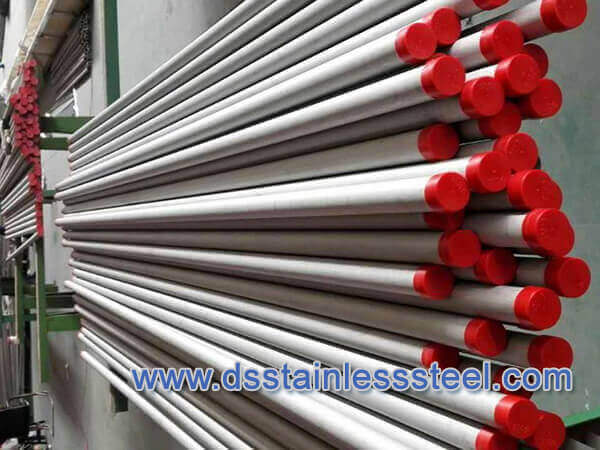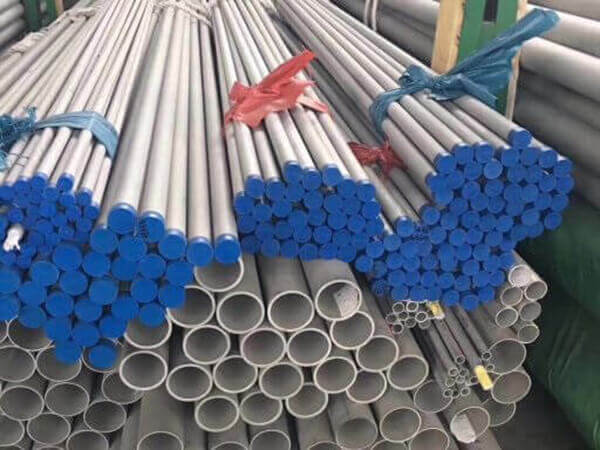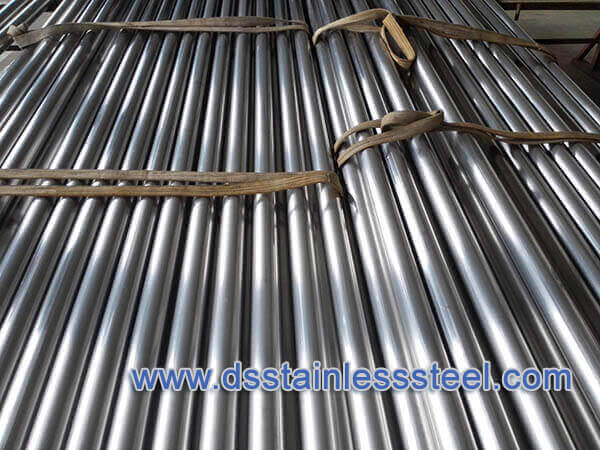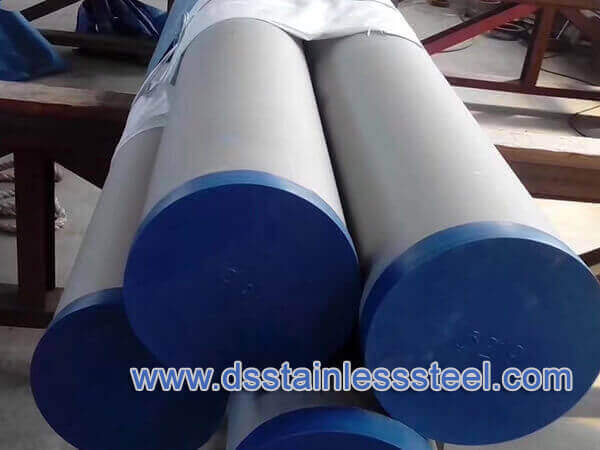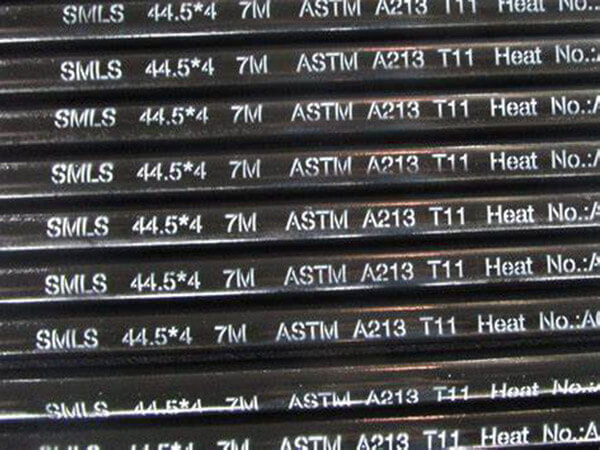
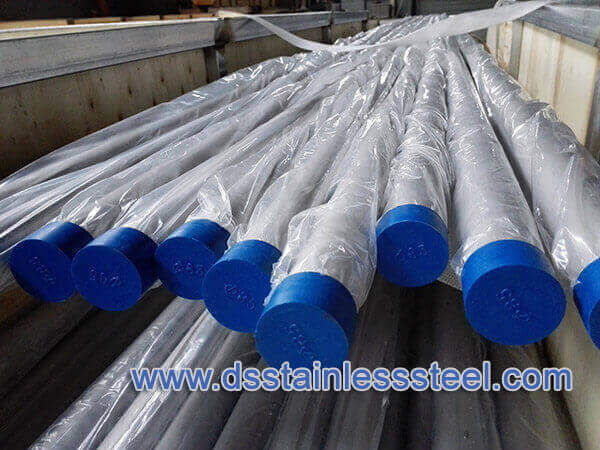
ASTM A213 TP316L seamless stainless steel tube Is designed for heat exchanger, boiler, super heater equipment, heat treatment and pickling finishing, tube furnished to ASTM A213 shall conform to the requirements of Specification A1016 / A1016M, grades cover Ferritic and Austenitic stainless steels. ASTM A213 is intended exclusively for boilers and heat exchangers; for general fluid conveyance or structural applications, the common standards are A312 (welded/seamless) or A269 (general-purpose seamless).
We have capacities to offer MW and AW wall thickness seamless tubes to meet specific applications, bright annealed and annealing pickling finishes are available, and we also offer U bend tubes and coiled tubes for heat exchanger systems.
Key Characteristics
- Material: 316L (ASTM TP316L, Chinese grade 00Cr17Ni14Mo2), carbon content ≤0.03%, containing 16–18% chromium, 10–15% nickel, and 2–3% molybdenum.
- Standard: ASTM A213 (American Society for Testing and Materials standard), specifying seamless ferritic/austenitic alloy steel tubes for high-temperature, pressure-bearing components such as boilers, superheaters, and heat exchangers.
- Process: Seamless tubes (typically cold-drawn or hot-rolled), with no weld seams, offering superior pressure resistance and corrosion resistance.
- Condition: Solution annealed and pickled, with a smooth surface, meeting the A213 requirements for dimensions, mechanical properties, and corrosion resistance.
- Typical Applications: High-temperature (up to 800°C), high-pressure environments containing chlorine or acidic media, such as petrochemical plants, power plant boilers, nuclear power heat exchangers, and offshore chemical processing; not suitable for room-temperature, low-pressure structural components (for which A269 or A312 is typically used).
ASTM A213 316L Stainless Steel
ASTM A213 316L refers to TP316L (316L stainless steel) seamless boiler and heat exchanger tubing that complies with the ASTM A213 standard. It is a low-carbon austenitic stainless steel containing molybdenum (Mo) to enhance corrosion resistance, particularly resistance to chloride pitting. in Europe, it is 1.4404, a little difference between TP316L and 1.4404 in chemical composition and mechanical property.
ASTM A213 316L Composition
| C | Mn | P | S | Si | Ni | Cr | Mo | N | |
|---|---|---|---|---|---|---|---|---|---|
| 316L | 0.035 | 2.00 | 0.045 | 0.030 | 1.0 | 10-14 | 16-18 | 2-3 |
ASTM A213 316L Mechanical Properties
| Tensile Strength(Mpa) | Yield Point(Mpa) | Elongation(%) | |
|---|---|---|---|
| 316L | 485 | 170 | 35 |
316L Stainless Steel Features
316L Stainless Steel grade is molybdenum-bearing austenitic stainless steel, 316L is more resistant to general corrosion and pitting corrosion, crevice corrosion than conventional chromium-nickel austenitic stainless steel such as 304.
316L Stainless Steel also offers higher creep, stress-to-rupture, and tensile strength at elevated temperatures. The recommended temperature range includes -425°F to 1,200°F (-255°C to 605°C).
In addition to excellent corrosion resistance and strength properties, the Alloys 316 and 316L Cr-Ni-Mo alloys also provide excellent fabricability and formability which are typical of austenitic stainless steel, 316l is often used in marine atmosphere.
A213 316L Seamless Stainless Steel Tube Manufacturing
Cold Rolled/Drawn
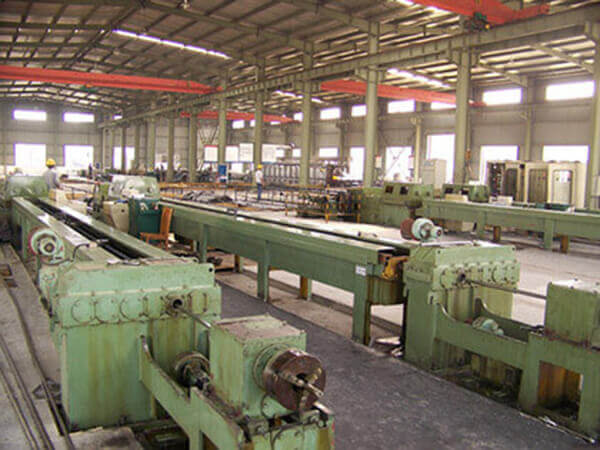
Cold rolling of stainless steel tubes refers to a manufacturing process in which hot-rolled (or annealed and pickled) seamless stainless steel tube blanks are subjected to plastic deformation at room temperature or near room temperature using a cold rolling mill (typically employing ring dies and mandrels) to reduce the outer diameter and wall thickness while improving surface quality and dimensional accuracy. We hold sets of advanced cold rolling machines, sizes ranging from 6 mm to 610 mm, we choose billets from China’s best suppliers for seamless stainless steel tube material, after analysis of billets, and ensure high quality.
Heat treatment
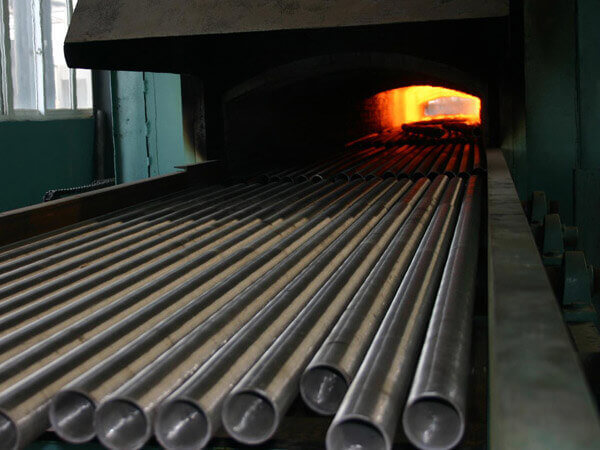
Heat treatment is an important process in producing seamless tube, Ferritic and Austenitic stainless steel grades in different annealing temperatures, generally, 1040 1150C, All austenitic tubes shall be furnished in the heat-treated condition, and shall be heat treated in accordance with the requirements of ASTM A213. Alternatively, immediately after hot forming, while the temperature of the tubes is not less than the minimum solution treatment temperature specified in standard specification, tubes may be individually quenched in water or rapidly cooled by other means (direct quenched).
Pickling
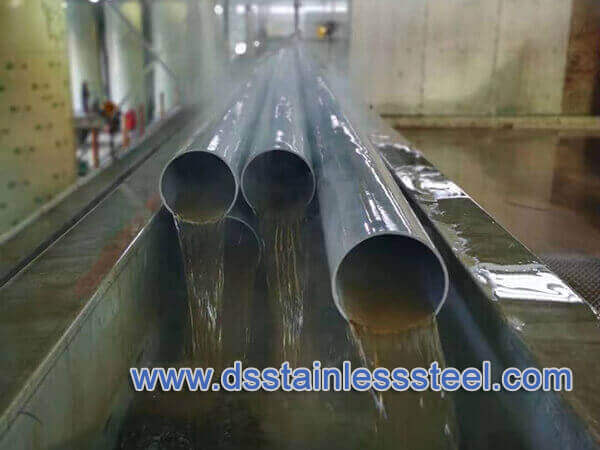
Pickling is the removal of any high-temperature scale and any adjacent low chromium layer of metal from the surface of stainless steel by the mixture of nitric and hydrofluoric acids, making tube outer and inner surface clean and smooth, lower roughness value, but notice dwell time in the pickling tank as per different stainless steel grades.
Surface Condition
- Ferritic alloy cold-finished steel tubes shall be free of scale and suitable for inspection. A slight amount of oxidation is not considered scale.
- Ferritic alloy hot-finished steel tubes shall be free of loose scale and suitable for inspection.
- Stainless steel tubes shall be pickled free of scale. When bright annealing is used, pickling is not necessary.
- Any special finish requirement shall be subject to agreement between the supplier and the purchaser.
ASTM A213 Stainless Steel Tubes Outside Diameter and Wall Thickness Tolerance
| OD, MM | OD TOLERANCE |
|---|---|
| < 25.4 | +/- 0.10 |
| 25.4 – <= 38.1 | +/- 0.15 |
| > 38.1 -< 50.8 | +/- 0.20 |
| 50.8 -< 63.5 | +/- 0.25 |
| 63.5 -< 76.2 | +/- 0.30 |
| 76.2 – <= 101.6 | +/- 0.38 |
| > 101.6 – <= 190.5 | +0.38/-0.64 |
| > 190.5 – <= 228.6 | +0.38/-1.14 |
| OD, MM | WT TOLERANCE |
|---|---|
| <= 38.1 | +20%/-0 |
| > 38.1 | +22%/-0 |
Tests
- Chemical Composition: PMI test.
- Tensile Requirements: The material shall conform to the requirements as to tensile properties given in ASTM A213.
- Hardness Requirements: Brinell, Vickers, or Rockwell hardness tests shall be made on specimens from two tubes from each lot.
- Flattening Test: One flattening test shall be made on specimens from each end of one finished tube, not the one used for the flaring test, from each lot.
- Flaring Test: One flaring test shall be made on specimens from each end of one finished tube, not the one used for the flattening test, from each lot.
- Hydrostatic or Nondestructive Electric Test: Each tube shall be subjected to the nondestructive electric test or the hydrostatic test. The type of test to be used shall be at the option of the manufacturer unless otherwise specified in the purchase order.
- Intergranular Corrosion Test: When specified, material shall pass intergranular corrosion tests conducted by the manufacturer in accordance with Practices A262, Practice E.